
The best headphone is not the most expensive one in the list. It is the one that fits your job, your head, your ears, your room, and the device you will plug it into.
That sounds obvious until you start shopping. Open-back studio headphones can be excellent for mixing and terrible beside a live microphone. A famous Hi-Fi flagship can sound huge and detailed, then feel too lean for your music taste. A cheap IEM can be a brilliant value and still be a bad buy if the nozzle hurts your ear. A premium ANC headphone can make flights peaceful and still be the wrong tool for judging a mix.
So start here:
- Recording vocals, guitars, podcasts, or voiceover: buy a closed-back studio headphone first.
- Mixing in a quiet room: use an open-back studio headphone once the room is quiet enough.
- Serious quiet-room music listening: audition a Hi-Fi open-back before spending flagship money.
- Phone/laptop wired listening: start with an easy IEM and make fit the first test.
- Travel, office focus, cafe work: compare ANC comfort and pressure before chasing specs.
- Work calls: buy for microphone reliability and meeting compatibility, not just music sound.
Quick Picks by Job
The first decision is not “which brand?” It is where the sound has to work. A bedroom studio, a noisy train, a Teams call, a gaming desk, and a quiet listening chair are different jobs.
Use retailer pages for live price, stock, shipping, and returns. Use official product pages for claims that can break the purchase: battery modes, USB-C audio, Bluetooth version, included cables, warranty region, meeting-platform certification, and app/firmware requirements. If a retailer listing and a manufacturer page disagree, trust the manufacturer for specs and the checkout page for price and return terms.
Do This Fit and Source Check Before Paying
This is the part most spec sheets hide from you.
- Wear the headphone or IEM for at least 20 minutes. Five seconds in a store mostly tests excitement. Twenty minutes starts testing clamp, pressure, heat, nozzle angle, and whether glasses break the pad seal.
- Check the device you will actually use. A phone dongle, laptop jack, audio interface, console controller, and Bluetooth ANC headphone are not the same source.
- For IEMs, test the seal. If bass disappears when you move your jaw or walk around, try different tips before blaming the IEM.
- For open-back headphones, test your room. If you hear fans, keyboard clacks, traffic, or roommates, the headphone will not hide them.
- For recording, test leakage. Put the headphone on, play a click or backing track, and record silence near the mic. If the mic hears it, use closed-back headphones or lower the level.
- For work calls, make a real call. Ask the other person whether your voice is clear while you type, move around, and run a fan or kitchen noise nearby.
- Buy where return terms are painless. Headphones and IEMs are wearable products. Fit risk is part of the purchase.
- Check opened-product return rules before ordering. Some shops treat IEMs, refurbished units, and hygiene-sealed accessories differently from sealed over-ear headphones.
If the fit is wrong, do not “train yourself” to tolerate pain. Return it. The internet does not have to wear it for you.
Fast Comparison
| Model | Best use | Design | Biggest risk | Before you keep it |
|---|---|---|---|---|
| beyerdynamic DT 770 PRO X | Recording, voiceover, podcast monitoring | Closed-back over-ear | Treble fatigue or clamp | Record a leakage test and wear it for a full session. |
| Sennheiser HD 490 PRO | Mixing, production, long desk sessions | Open-back over-ear | Room noise and sound leakage | Use it only in a quiet room and keep a closed-back pair for tracking. |
| Sennheiser HD 800 S | Hi-Fi imaging, acoustic, orchestral, spatial games | Open-back over-ear | Lean bass expectations and amp/source cost | Audition with your music and confirm the return window. |
| Meze Alba | Everyday wired IEM, phone/laptop use | Single dynamic IEM | Tip fit and cable handling | Try all tips and test the included USB-C adapter. |
| TRUTHEAR ZERO:RED | Budget IEM, gaming, secondary music check | Dual dynamic IEM | Large shell/nozzle comfort | Do not force a painful fit; return-friendly seller matters. |
| Sony WH-1000XM6 | Flights, office focus, cafe work | Wireless ANC over-ear | Call quality and DSP-shaped sound | Test calls, pressure, app settings, and glasses fit. |
| Bose QuietComfort Ultra Headphones (2nd Gen) | Comfort-first ANC and travel | Wireless ANC over-ear | Immersive Audio battery tradeoff, app/firmware quirks, and price swings | Compare directly with Sony for pressure, USB-C audio needs, and long-wear comfort. |
| Jabra Evolve3 85 | Work calls, Zoom, Teams, Meet, enterprise setups | Wireless office ANC over-ear | High price if you only need music/ANC | Make a noisy-room call and confirm the variant/certification you need. |
Studio: Closed for Recording, Open for Mixing
If you make music, podcasts, voiceovers, or video narration, the studio rule is simple: closed-back for recording, open-back for mixing in a quiet room.
Closed-back headphones keep playback from spilling into a microphone. Open-back headphones usually feel more spacious and less boxed-in, but they leak sound both ways.
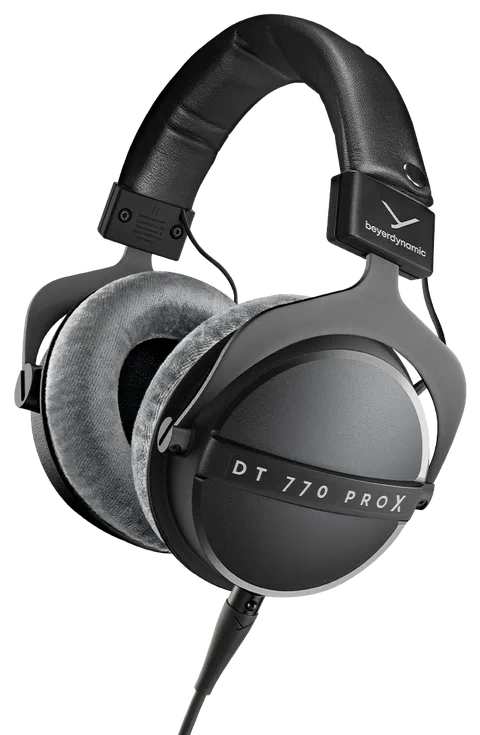
beyerdynamic DT 770 PRO X
Pick this first if a microphone is involved. It is the practical studio buy for tracking, podcast monitoring, voiceover, guitar takes, and any setup where headphone bleed can ruin a recording.
- Closed-back
- 48 ohm
- Detachable cable
- Studio monitor role
The DT 770 PRO X is not here because it wins a romance contest. It is here because a closed-back workhorse solves a real studio problem: you need to hear the backing track while the mic hears as little of it as possible.
The detachable cable is a meaningful durability point. Studio cables get stepped on, yanked, rolled over by chairs, and packed badly. Replaceable parts are not glamorous, but they matter more than a tiny spec-sheet advantage after six months of real use.
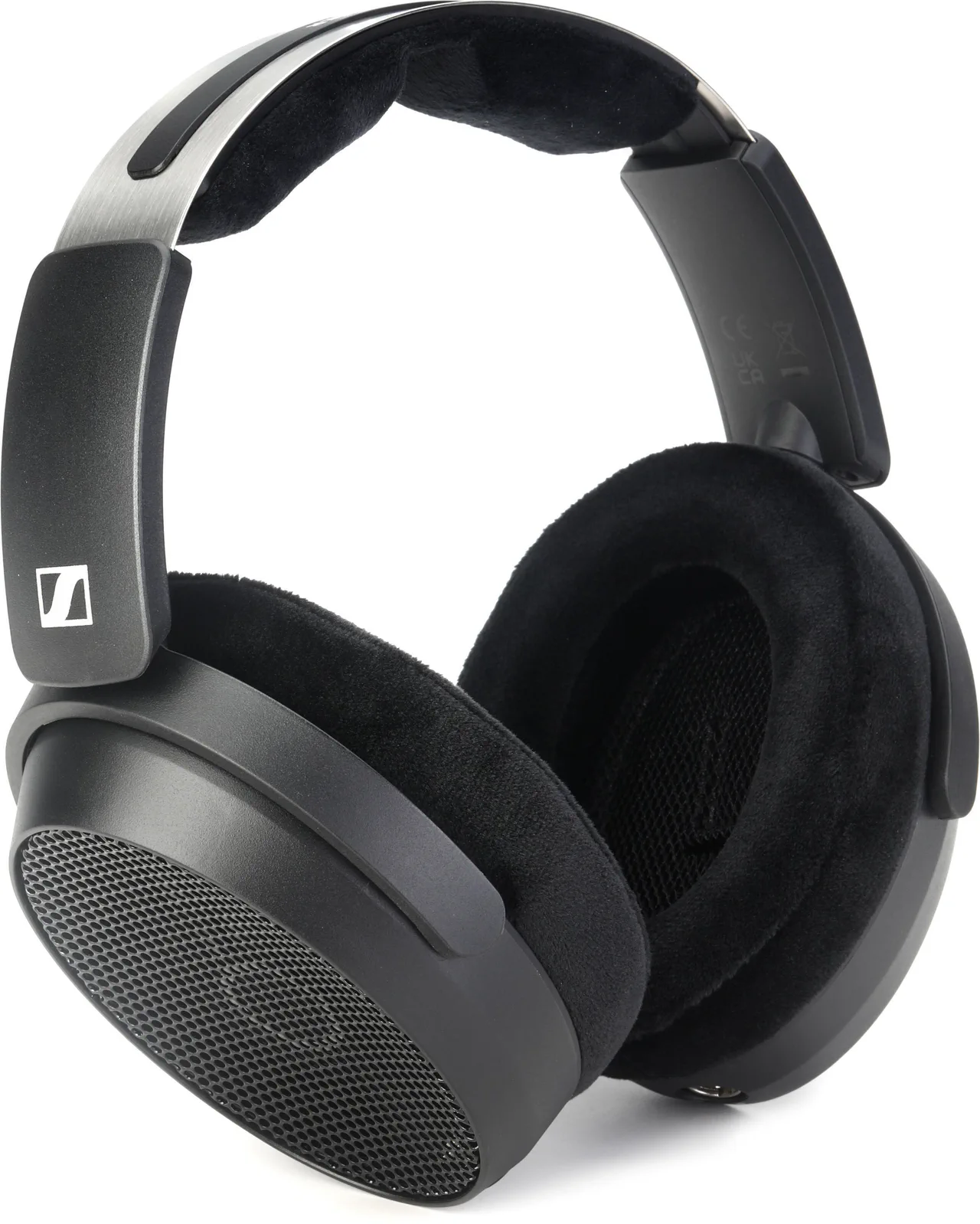
Sennheiser HD 490 PRO
Use this as the open-back studio reference once your room is quiet. It is lighter and more studio-practical than chasing a giant Hi-Fi flagship as your first mixing headphone.
- Open-back
- 260 g
- 130 ohm
- Two pad sets
The HD 490 PRO is the better second studio buy. Once you already have a closed-back option for tracking, an open-back reference helps you judge balance, space, and long-session fatigue. Sennheiser lists it at 260 g, 130 ohm, and includes two pad sets, which is useful because pads change how a headphone sits and sounds around the ear.
If your desktop PC is loud, this is also where the headphone purchase exposes a different problem. Open-back headphones will not hide fan noise. If the room is noisy, fix the room or PC first, then judge the headphone. Our PC build guide is relevant if your “studio problem” is really a loud computer.
Hi-Fi: Buy for Taste, Not Status
The Sennheiser HD 800 S is the famous Hi-Fi pick because it can make music feel wide, separated, and spacious. That is wonderful if you like that presentation. It is not automatically better for every listener.
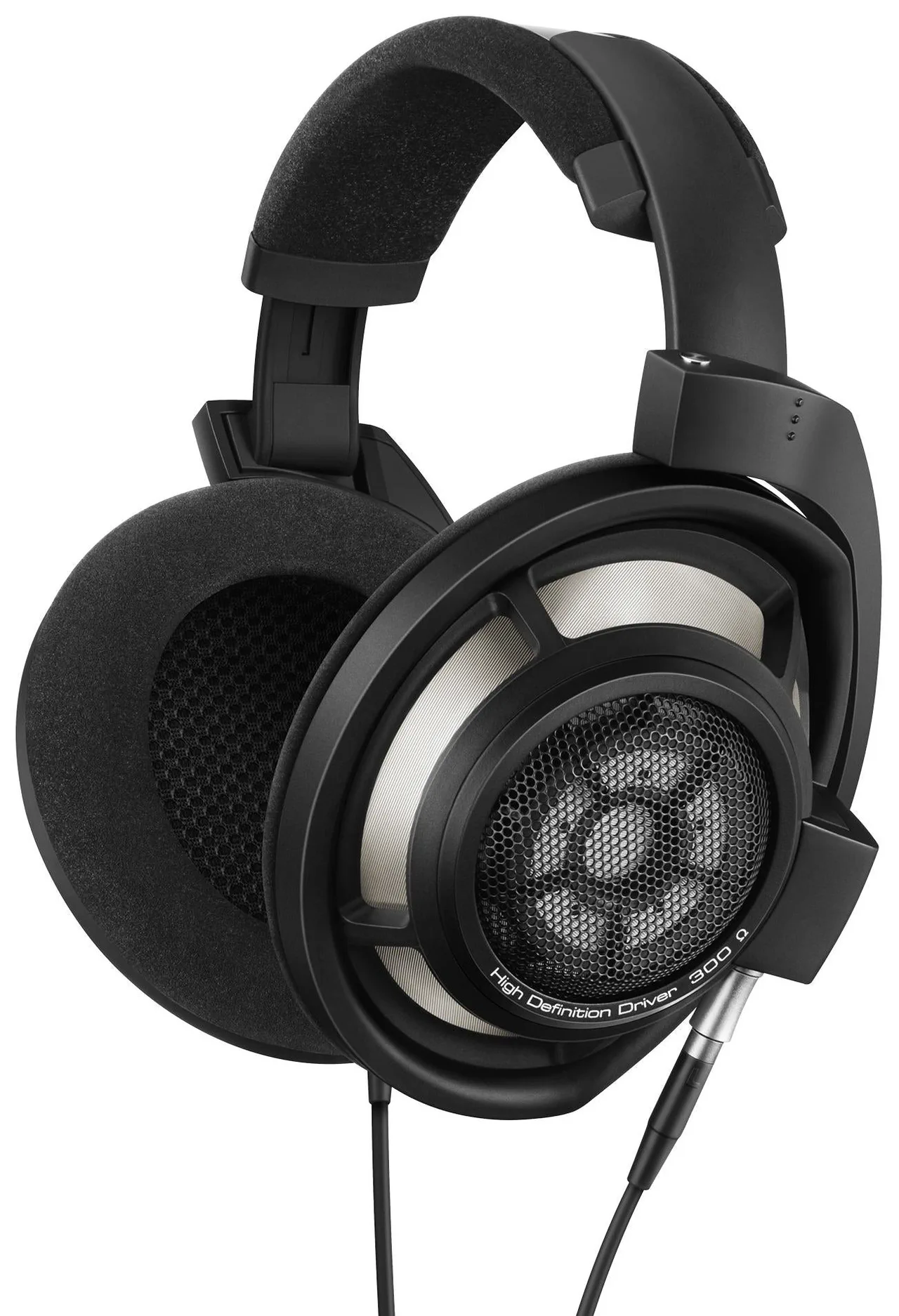
Sennheiser HD 800 S
Buy it because you want space, imaging, and quiet-room listening. Do not buy it for commuting, recording, heavy bass impact, or casual laptop output.
- Open-back
- 56 mm ring radiator
- 300 ohm
- Amp/source matters
This is where we would be strict about auditioning. A high-end open-back is not a trophy purchase; it is a taste match. Bring the music you actually play. If you listen to acoustic, orchestral, jazz, film scores, spatial games, and detailed quiet-room recordings, the HD 800 S can make sense. If you mostly want thick bass, close vocals, and isolation, respect the headphone and buy something else.
Also budget for the source. A 300 ohm open-back may get loud from the wrong output while still sounding thin or uncontrolled. If you are not ready to think about an amp or a proper desktop source, do not stretch your budget on the headphone alone.
IEMs: Great Value, Brutal Fit Risk
IEMs have become the best value in personal audio. The catch is that they depend on your ear canal, tip seal, nozzle size, and cable comfort. A reviewer can measure an IEM. They cannot measure whether your left ear will hate it after dinner.
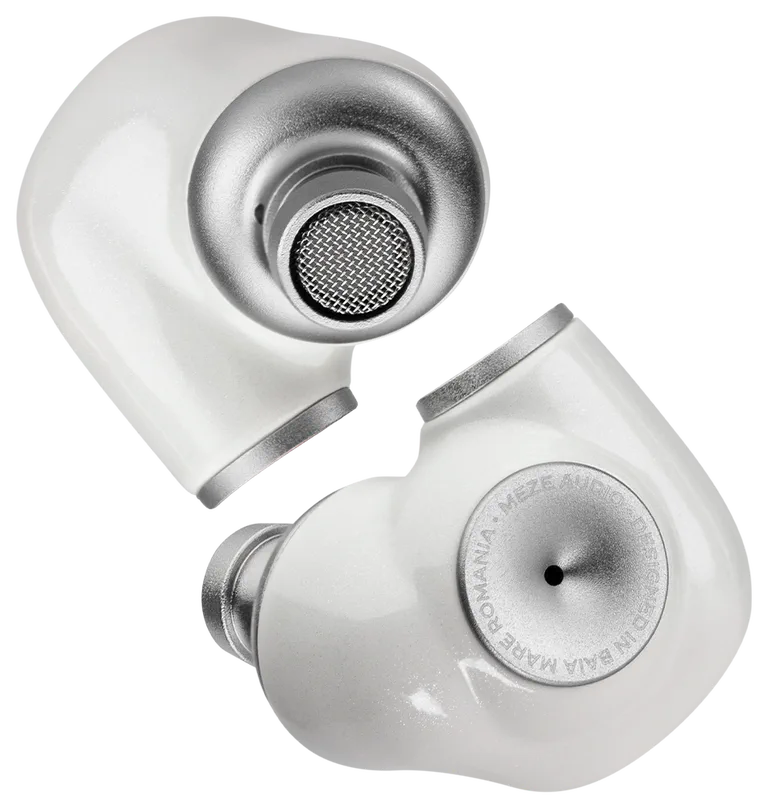
Meze Audio Alba
Choose Alba if you want a refined first wired IEM without turning the purchase into a hobby exam. The compact shell and included USB-C DAC/amp adapter make it easier to live with.
- 10.8 mm dynamic driver
- 3.5 mm cable
- USB-C DAC/amp adapter
- Compact shell
Meze Alba is the cleaner first-IEM recommendation because it removes two common annoyances: a huge shell and the need to immediately choose a dongle. Meze lists a 10.8 mm dynamic driver and includes a USB-C DAC/amp adapter. That adapter matters because many phones and laptops no longer have a reliable analog headphone jack.
Before keeping it, test all tip sizes, walk around for cable noise, and make sure you do not need an in-line microphone.
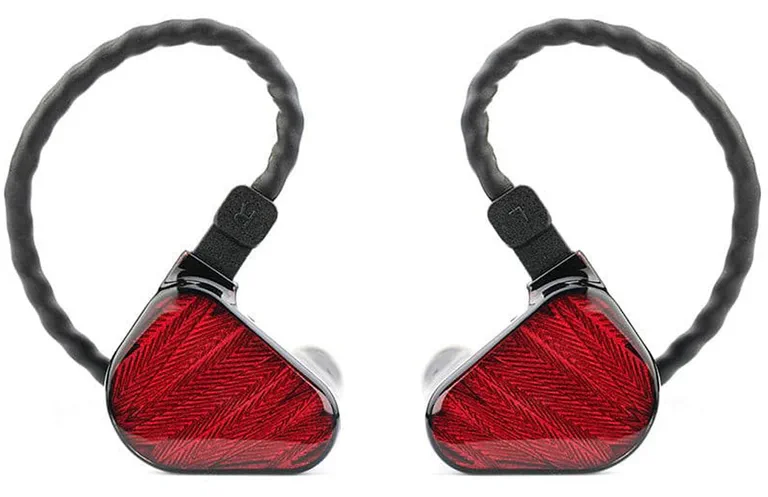
TRUTHEAR x Crinacle ZERO:RED
This is the value experiment if you buy from a return-friendly store. The sound-for-money story is strong; the shell and nozzle are the real risk.
- 10 mm + 7.8 mm dynamic drivers
- 17.5 ohm
- 10 ohm adapter
- Multiple tips included
The ZERO:RED is the budget pick for people who are comfortable with fit risk. TRUTHEAR lists dual dynamic drivers, 17.5 ohm impedance, multiple tip sets, and a 10 ohm impedance adapter. In practice, that means you get a lot to experiment with for the money.
Do not ignore discomfort. If the nozzle feels too large, return it instead of forcing your ear to adapt. The best budget IEM is still a bad buy if you stop using it.
ANC and Work Headsets Are Different Jobs
Wireless ANC headphones are comfort tools first. They are for planes, offices, cafes, commuting, and focus. They are not studio references because ANC, Bluetooth codecs, app EQ, microphones, and DSP all shape the sound.
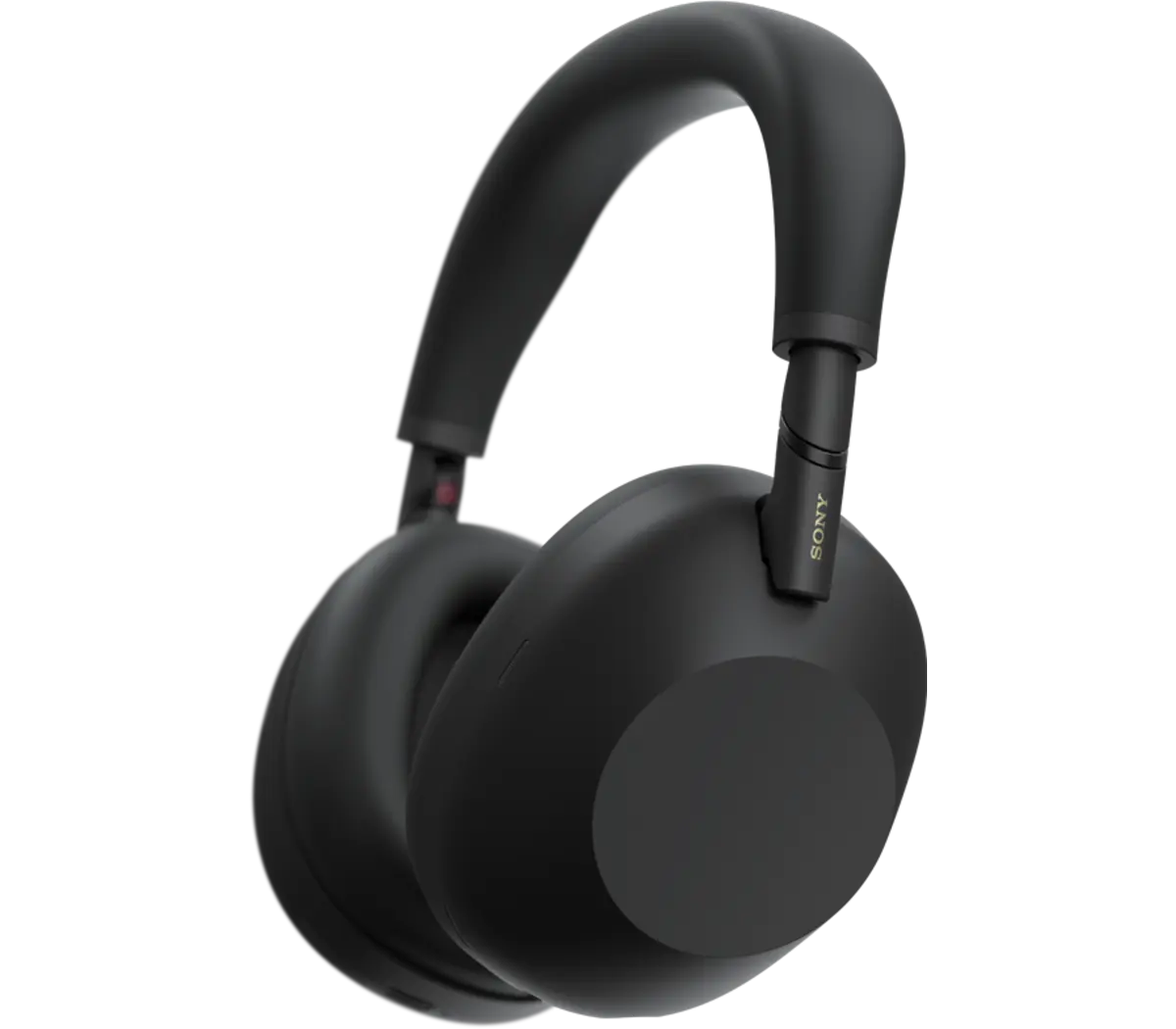
Sony WH-1000XM6
Start here if you want a premium travel/focus headphone and can test the fit. Sony lists up to 30 hours with noise canceling on, but comfort and call behavior matter more than the headline number.
- Wireless ANC
- Bluetooth 5.3
- 30h NC-on claim
- Travel/focus role
The WH-1000XM6 is the simple premium ANC starting point. Sony’s support page lists Bluetooth 5.3 and up to 30 hours with noise canceling on, but the exact regional bundle and warranty still matter. Test it with your phone, your glasses, your usual app settings, and one real call. If pressure or controls bother you, the spec sheet will not rescue the purchase.
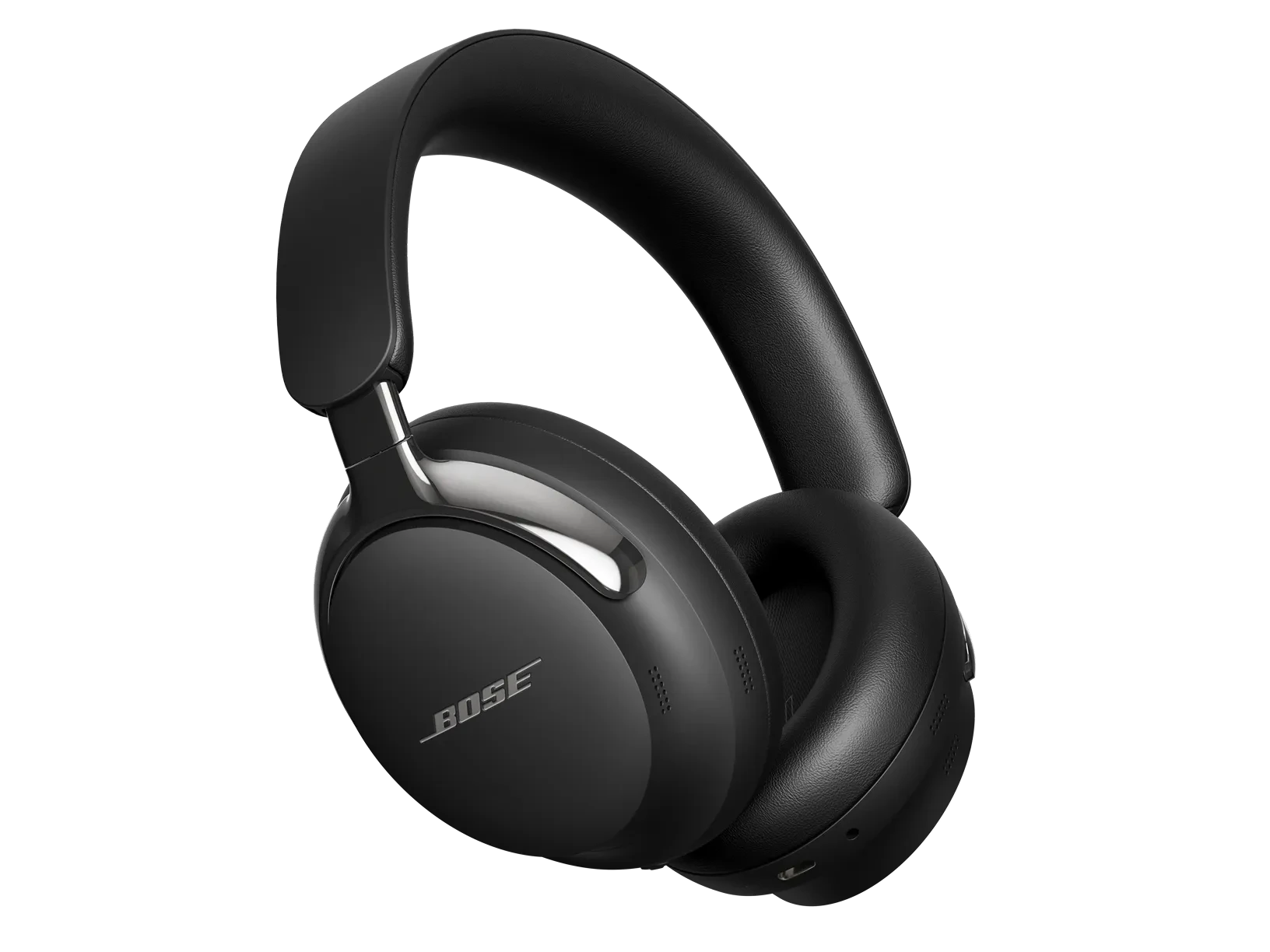
Bose QuietComfort Ultra Headphones (2nd Gen)
Compare Bose directly against Sony if long-wear comfort and pressure are your biggest concerns. The second-gen model adds USB-C audio support, which helps at a desk.
- Wireless ANC
- USB-C audio
- 30h battery claim
- Comfort-first role
Bose is the comfort counterpick. Bose lists up to 30 hours in Quiet/Aware mode, with a lower claim when Immersive Audio is on, and the second-gen model supports USB-C audio. If Sony cancels a little more noise but Bose disappears on your head, Bose may be the better buy. Wear your actual glasses, connect your actual phone, check the official USB-C audio notes, and try both before a long-trip purchase if you can.
Jabra Evolve3 85
Choose this only when calls are the job. Jabra focuses the Evolve3 85 on voice clarity, business compatibility, and office management rather than the cheapest music/ANC value.
- Business headset
- ClearVoice AI
- UC focus
- Replaceable parts noted
Jabra belongs in this guide because “best headphones for work” often really means “people must hear me clearly.” Jabra says this line is aimed at modern work and lists Microsoft Teams, Zoom, and Google Meet certification, but you still need the exact variant your company supports. If your day is meetings, client calls, and shared office noise, microphone behavior matters more than a beautiful music graph.
Problems That Cause Bad Buys
If you record vocals, guitar, podcasts, or voiceover, use closed-back headphones or IEMs while tracking. Save open-backs for editing and mixing.
If bass disappears when you put glasses on, the pad seal is leaking. Try thinner frames, softer pads, or a different model.
Try different tip sizes and materials before deciding the IEM has no low end.
They can reveal hiss, sibilance, and harsh edits, but long exposure can be fatiguing. Use breaks and cross-checks.
Getting loud is not the same as being well controlled. High-impedance Hi-Fi headphones deserve a proper source.
Travel ANC and voice pickup are separate jobs. For noisy meetings, a business headset can beat a prettier music headphone.
Before You Pay
Open the exact listing and verify:
- return window and whether opened headphones/IEMs are returnable;
- seller name, not only marketplace name;
- cable type and whether it is detachable;
- included adapters, tips, case, and spare pads;
- whether the model is open-back, closed-back, IEM, wireless ANC, or business headset;
- impedance/sensitivity if you plan to use a phone, laptop jack, interface, or headphone amp;
- warranty region;
- whether the product page is current for your country;
- whether the color/variant changes accessories or certification.
- whether ANC battery claims change with spatial/immersive audio, calls, USB-C audio, codecs, or app modes.
- whether a business headset variant is certified for the meeting app and management tools you actually use.
For IEMs, return terms are not a footnote. For expensive open-backs, they are part of the price. For business headsets, make sure the variant matches your meeting platform and IT requirements.
Support Checklist
If you ask for buying help, send:
- budget and country;
- main use: recording, mixing, Hi-Fi, gaming, calls, travel, commuting, or daily music;
- device you will use: phone, laptop, console controller, audio interface, DAC/amp, Bluetooth;
- whether you wear glasses;
- whether you need a microphone;
- whether open-back sound leakage is acceptable;
- music/games/apps you actually use;
- any fit issue you already know, such as small ears, clamp sensitivity, heat, or IEM discomfort.
Do not send screenshots with order numbers, private addresses, serial numbers, invoices, or account emails visible.
What We Would Buy First
For a small home studio: buy the DT 770 PRO X first, then add the HD 490 PRO when the room is quiet enough for open-backs.
For serious quiet-room Hi-Fi: audition the HD 800 S before buying. If it sounds spacious and exciting to you, great. If it sounds thin, choose a warmer or punchier direction instead.
For a first wired IEM: start with Meze Alba if you want a friendlier fit and included USB-C adapter. Try ZERO:RED if you want budget value and can return it if the shell bothers you.
For travel ANC: compare Sony WH-1000XM6 and Bose QuietComfort Ultra Headphones (2nd Gen) on your head, with your glasses, your phone, and one real test call.
For work calls: consider Jabra Evolve3 85 only when voice clarity, meeting compatibility, and office use justify the higher price.
For nearby desk decisions, see our mechanical keyboard guide, MacBook Air buying guide, and PC build guide.
Shopping note: prices and availability can change quickly. Check the exact model, seller, condition, warranty, and return window before buying.